
Revenge Kleaning Services Ltd is an IICRC Certified Firm (IICRC Firm No. 70248961). Our technicians are trained in microbial remediation (IICRC AMRT), water damage restoration (IICRC WRT) and remediation planning (Damp & Mould: Remedial Operations and Planning, Tier 3). Remedial works are carried out to IICRC S520, the industry standard for mould remediation.
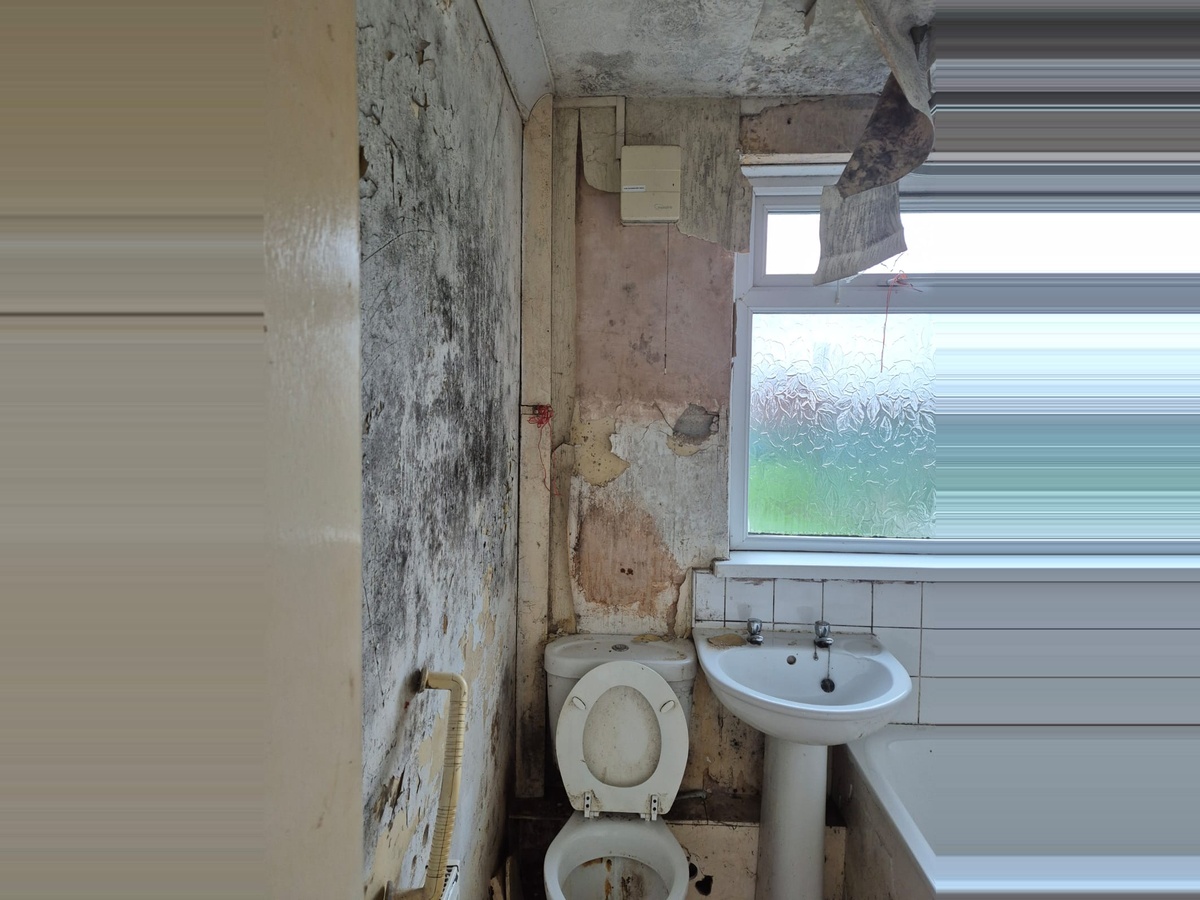
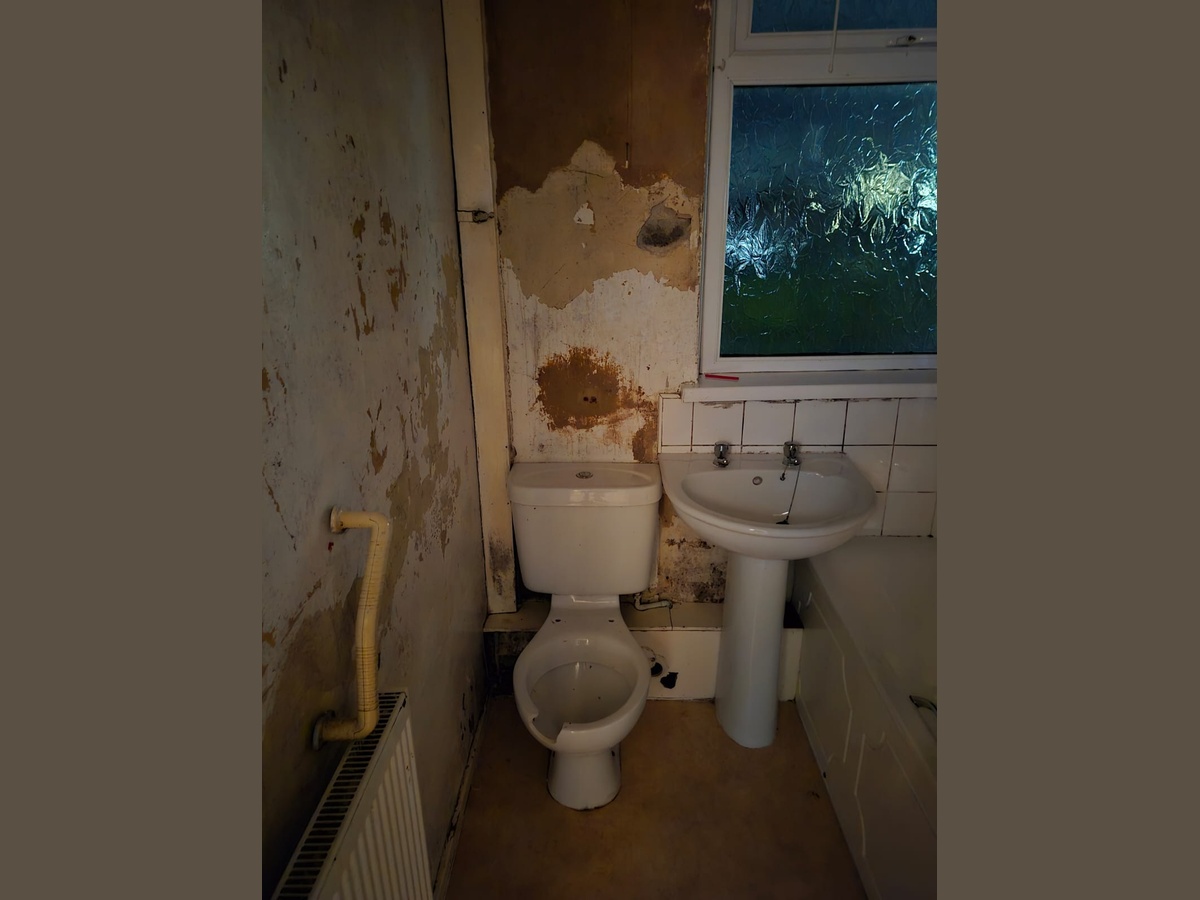
Mould is a symptom of moisture. Cleaning it off without addressing the moisture doesn’t deal with the cause, and it commonly returns.
We carry out controlled remediation. That means containing the work area, controlling airborne contamination with HEPA filtration, removing affected materials where they can’t be decontaminated, and handing over a written record of what we found, what we did and what still needs doing.
We work across Wigan, Greater Manchester, Lancashire, Merseyside and Cheshire for housing providers, landlords, letting agents, insurers and private clients.
Before remedial work starts we assess moisture and environmental conditions sufficiently to set a safe scope, and we report what those readings indicate about the source. Where the cause needs fuller investigation, or the repair falls to a roofer, plumber or ventilation contractor, we say so rather than working around it.
Works are carried out under containment to stop contamination spreading to unaffected parts of the property. Depending on the extent, this may include physical isolation, HEPA filtration, negative pressure and controlled access. Where porous materials can’t be reliably decontaminated, they’re removed and disposed of correctly rather than cleaned in place.
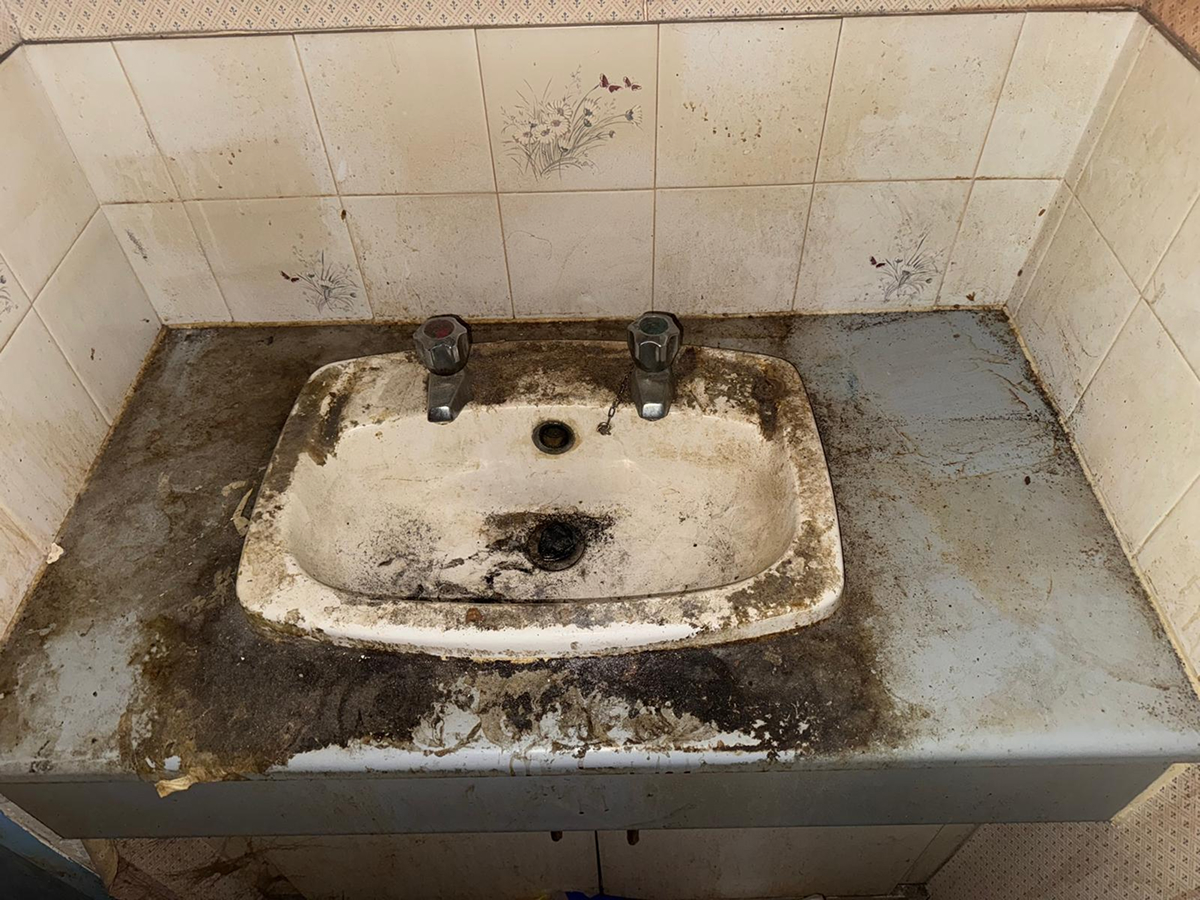
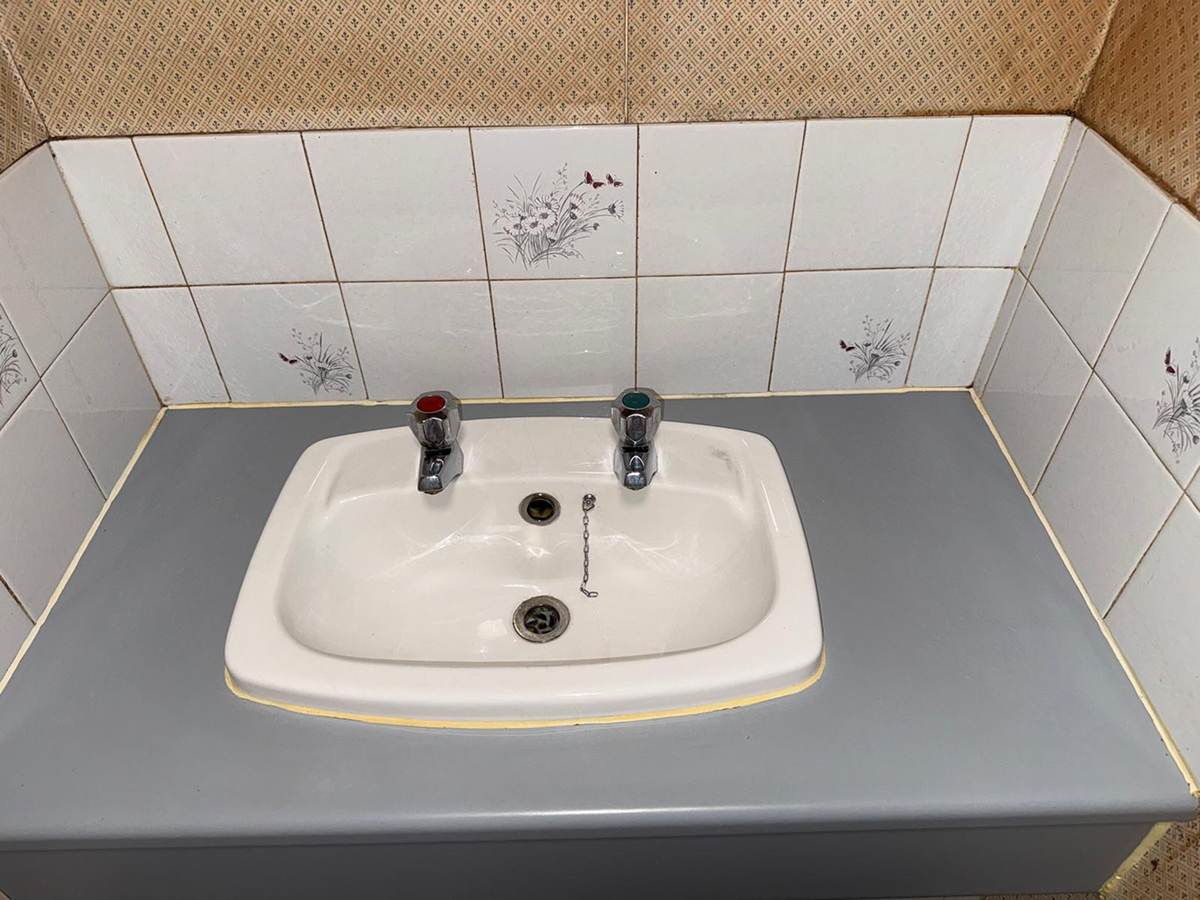
We don’t just say it’s done. On completion we carry out post-remediation checks: a visual inspection and moisture readings compared against unaffected areas. You get a written record of the works with photographs. Where independent clearance is required, that’s a separate step carried out by an independent assessor, and we’ll tell you if we think it’s needed.
Not sure what’s causing it yet? Start with a Damp, Mould & Moisture Survey. We can carry out remedial works on the back of our own survey, or on someone else’s.
Every job closes with a written record of what we found and what we did. For landlords, housing providers and insurers, it’s a documented record ready for the file.
The statutory deadlines sit with you as the landlord. Our job is to make the specialist remediation part of your response quick, predictable and documented.
Our remediation can form part of your response to a significant damp and mould hazard. Where other works are needed outside our scope, such as roof, plumbing, ventilation or electrical repairs, we identify them and report them to you.
Our Damp, Mould & Moisture Survey gives you documented findings for the investigation stage.
A complete instruction includes the property address, resident contact and access arrangements, your findings or scope, the hazard category where you’ve assessed it, and authority to proceed.
Our attendance target runs from receipt of a complete instruction. It’s separate from your statutory timescales, which may already be running before we’re instructed.
Awaab’s Law applies to social landlords in England. Key periods for significant damp and mould: investigation within 10 working days of becoming aware, written summary within 3 working days of the investigation concluding, and relevant safety work within 5 working days of it concluding. Emergency hazards: 24 hours. Phase 2 extends the requirements to further hazards from 30 November 2026. Full guidance on GOV.UK.
Last reviewed September 2026.
It depends on the extent of the contamination, the containment needed, how much material has to come out, and access. We price each job after assessing it, and you’ll get a written scope of works and quote before anything starts.
That depends on whether the moisture conditions that allowed it to develop are addressed. Remediation deals with the contamination that’s there now. If the underlying conditions aren’t corrected, whether that’s a leak, inadequate ventilation or a cold surface, the conditions for regrowth remain. We’ll note what we find about the likely source, and tell you plainly if the corrective work falls outside our scope. If the cause isn’t clear, a moisture survey can pin it down.
Affected materials are bagged under containment and removed through licensed waste routes. Waste transfer documentation is included in your completion record. We’re registered with the Environment Agency as an upper tier waste carrier and dealer, registration number CBDU609361.
Wigan, Greater Manchester, Lancashire, Merseyside and Cheshire, including Ashton-in-Makerfield, Ince, Hindley, Leigh, Atherton, Tyldesley, Golborne, Standish, Orrell, Shevington, Bolton, Warrington, St Helens, Salford and Manchester.
Tell us what you’re dealing with. We’ll assess the job and give you a written scope and quote before any work starts, including anything that needs doing alongside it by another trade. If the cause needs pinning down first, we’ll tell you that too.